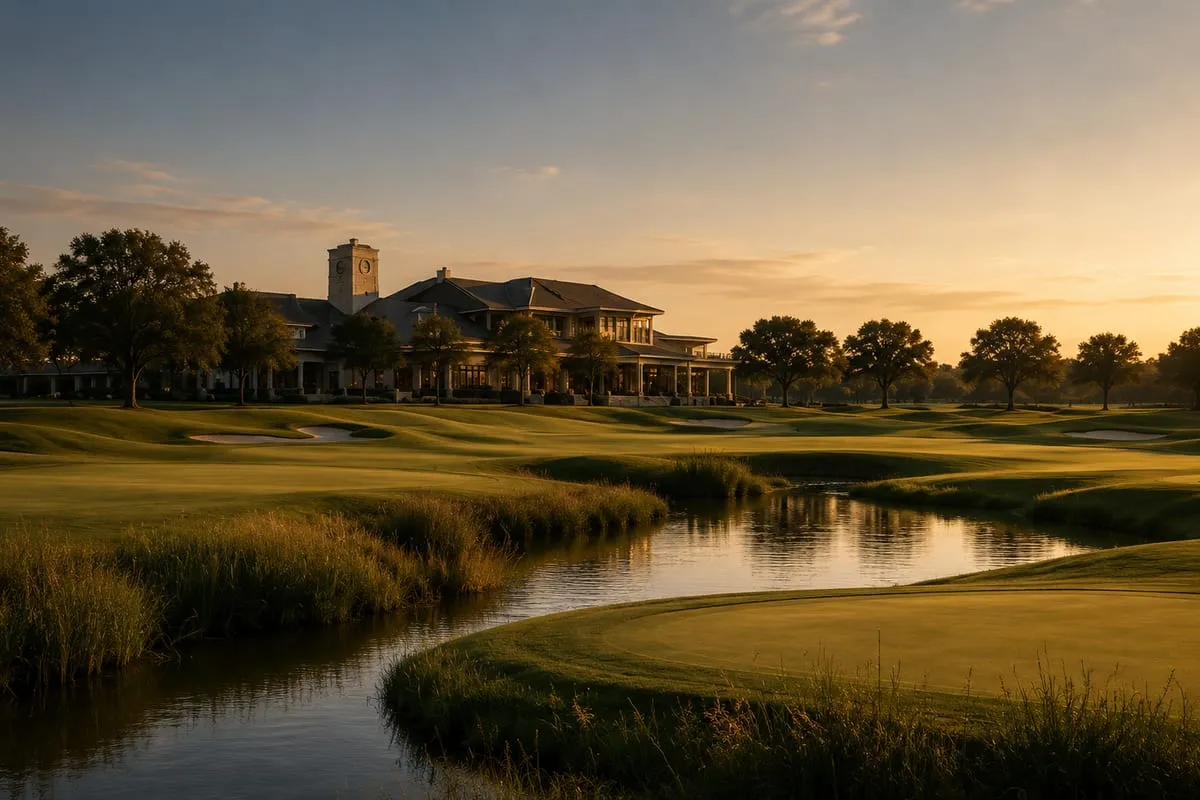
Whether on a classic club or on a golf course with an attached hotel, greenkeeping plays a critical role. The course is the most valuable asset of a golf facility, and the experience on the green is what brings people back.
That is why filling these roles with the right people matters so much. What does a greenkeeper actually earn, and is the role one of the better-paid jobs in golf?
What a greenkeeper earns in golf
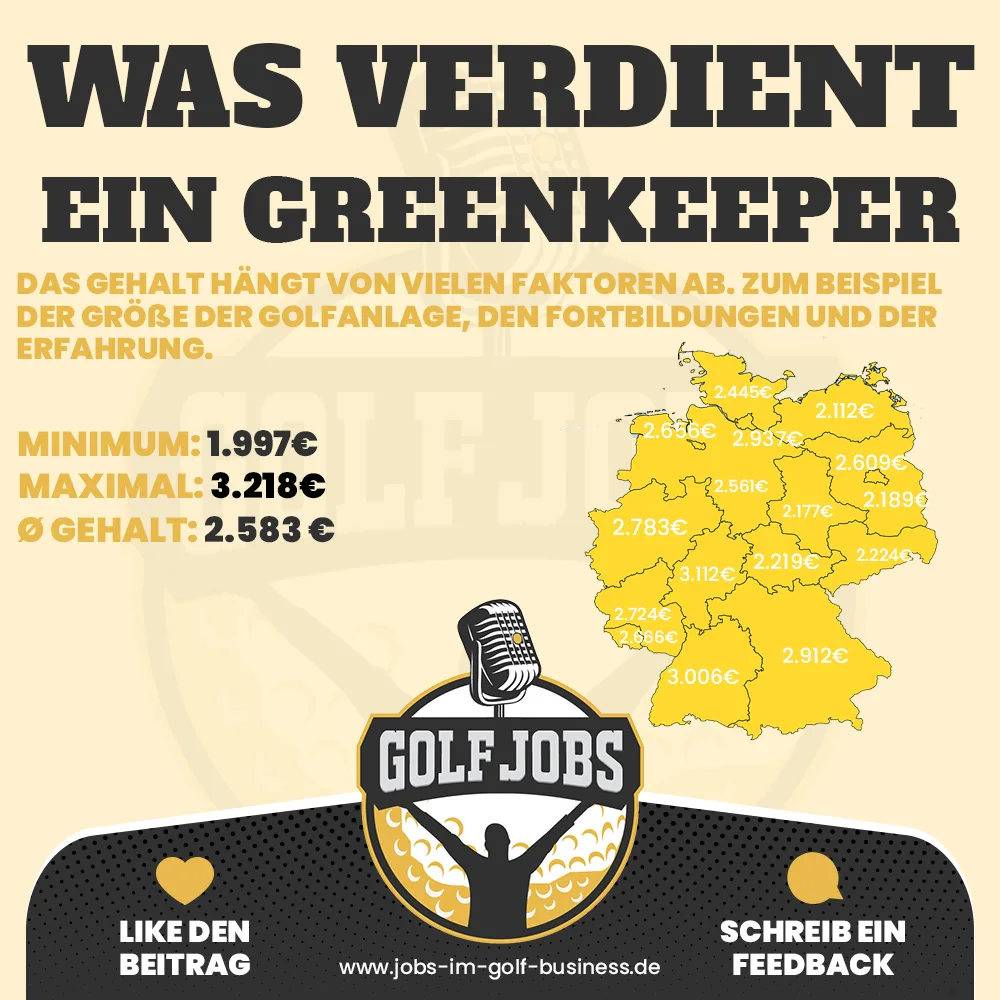
The pay of a greenkeeper depends on many factors: the size and type of the facility, the responsibilities assigned to the role and many other variables. Particularly important are professional certifications. The German greenkeeping associations do strong work in setting expectations, which keeps salaries reasonably consistent and comparable. On average, a greenkeeper in Germany earns 2,583 euros gross per month.
Salary overview: gross income by federal state
Average gross monthly salary for a greenkeeper, by German federal state:
| Federal state | Gross / month |
|---|---|
| Baden-Württemberg | €3,006 |
| Thuringia | €2,219 |
| Schleswig-Holstein | €2,445 |
| Bavaria | €2,192 |
| Brandenburg | €2,189 |
| Bremen | €2,656 |
| Saxony-Anhalt | €2,177 |
| Saxony | €2,224 |
| Rhineland-Palatinate | €2,724 |
| North Rhine-Westphalia | €2,783 |
| Hamburg | €2,937 |
| Hesse | €3,112 |
| Mecklenburg-West Pomerania | €2,112 |
| Lower Saxony | €2,561 |
| Berlin | €2,609 |
| Saarland | €2,666 |
A greenkeeper's tools and responsibilities
The job profile of a greenkeeper is far more varied than outsiders often assume. People sometimes picture someone sitting on a mower for hours, trimming the grass. In reality, the role demands a broad range of skills. A greenkeeper has to recognise different turf diseases, identify plants and understand local wildlife.
Anyone who has seen a field after wild boars have crossed it knows the kind of repair work that follows when a herd of boars visits the course overnight.
What a greenkeeper does in winter
Even in winter, the greenkeeping team has plenty of work. Climate change has stretched the golf season into December in many places, and even when snow covers the course, the green still needs to be cared for and prepared for the next season.
Winter tasks include shredding wood and removing old tree stumps. Maintenance work begins in autumn already, when pump houses, sanitary buildings and restrooms on the course need to be winterised so pipes do not freeze. Winter can do significant damage, so the team has to be well prepared.
Once that is done, it is already time to get ready for summer again. Benches need fresh paint, tee markers have to be cleaned, buggy batteries serviced and the entire vehicle fleet gets a thorough inspection.
Becoming a greenkeeper: training and career path
There is no formal vocational programme called "greenkeeper" in Germany. The classic route is a green-collar apprenticeship, typically in landscape gardening (Garten- und Landschaftsbau), followed by further training at one of the dedicated schools, primarily the Deula in Freising and the Deula in Kempen. Both offer the Greenkeeper and Head Greenkeeper certifications.
The career path typically runs from groundsperson through greenkeeper to head greenkeeper or course manager. With each step, responsibilities and pay grow. A head greenkeeper takes on budget responsibility, leads the team, and works closely with the club board and members on what the course needs.
What this means if you are considering the role
If you enjoy working outdoors, have an interest in nature, plants and machinery, and you like seeing a result you can walk across the next day, greenkeeping is one of the most tangible careers in the golf industry. Pay is solid for the entry level and grows clearly with certification and experience. The work is physical and seasonal, and the responsibility for the most valuable asset of a golf course rests on your shoulders. For the right person, that combination is exactly the appeal.